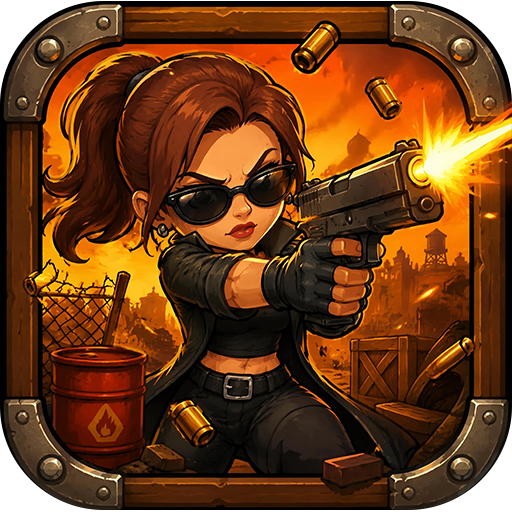
Vigilante Clash
The police gave up on this city. Somebody else has to hold it.

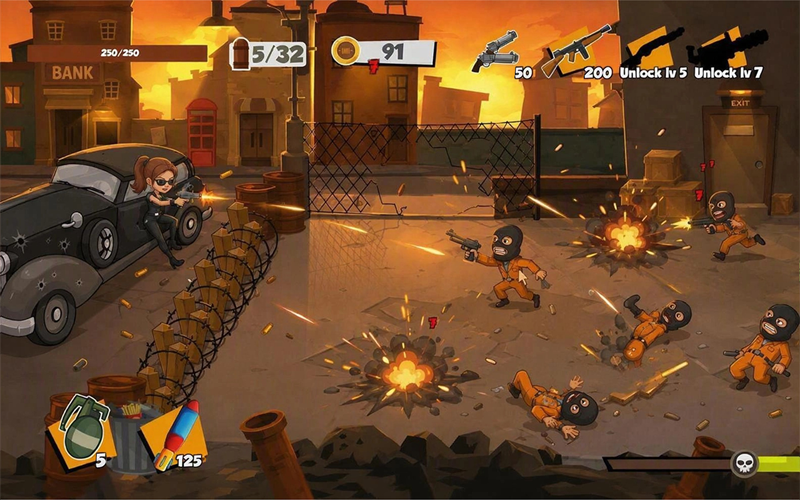
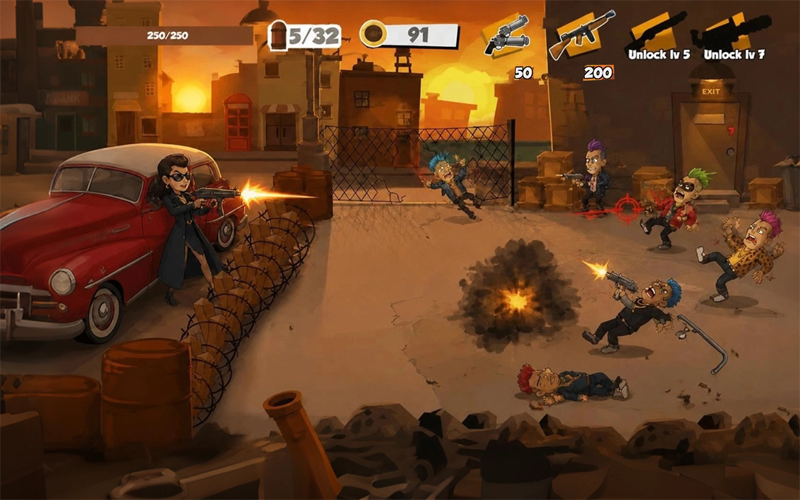
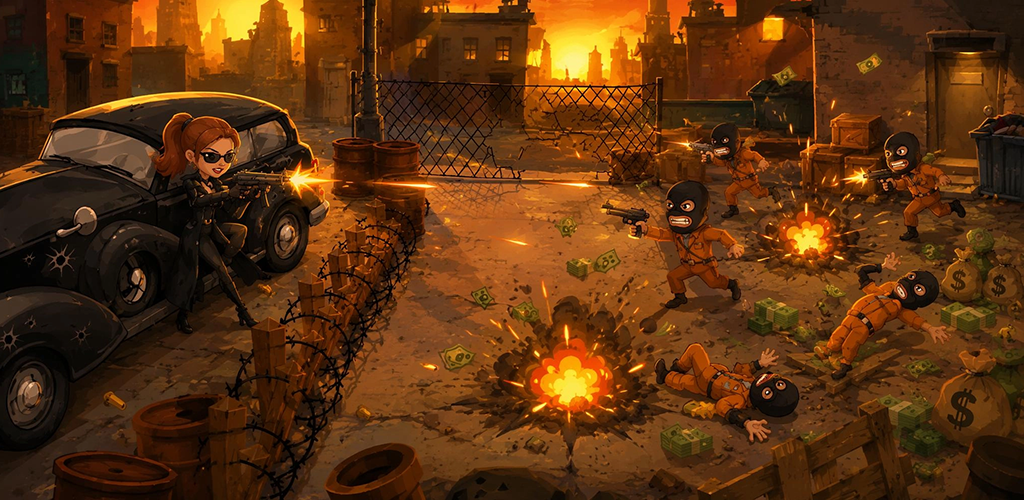
Vigilante Clash puts you at the edge of a city that's already losing. Gang enemies come in waves — not a handful, not a dozen, but thousands, relentless and indifferent to how tired you are. Your job isn't to win the war in one move. It's to survive the next thirty seconds, and then the thirty after that.
This Isn't a Game You Get to Plan Around
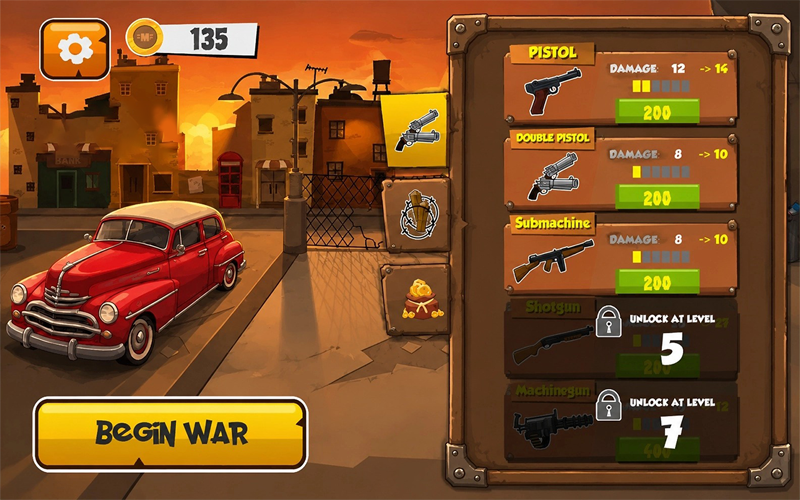
Most defense games give you a quiet moment to think between waves — time to plan, adjust, breathe. Vigilante Clash doesn't offer much of that. The next wave is already close by the time the last one ends. You're making calls in real time: which gun to grab, where to plant your feet, when to fall back instead of holding — and you're making them under pressure, not in comfort.
That's not a flaw. It's the design. The tension is the game.
Strength Somewhere Means Weakness Elsewhere
Here's the trade-off that defines every run: reinforcing one position always costs you somewhere else. Pour everything into holding the main street, and a side alley goes undefended. Spread thin to cover every angle, and nothing holds when it really counts.
Built for "One More Wave"
Vigilante Clash is built around short, replayable sessions that never quite let you feel finished. You survive one wave, and the next one is already visible on the horizon — closer, louder, harder to ignore.